Biodiversity Initiatives
Next to the issue of climate change, the issue of biodiversity preservation has been a major focus of the international community in recent years. Biodiversity forms the basis of natural capital such as water, air, plants, animals, and minerals that are indispensable to human society. Climate change, depletion of natural resources, ecosystem destruction, and species extinction are causing biodiversity loss to occur at an alarming rate, making it a serious problem facing humankind.
This has sparked an international discussion about the importance of taking a nature positive approach to stopping and reversing biodiversity loss.
Toray Group views conservation of biodiversity as a critical global environmental issue that is of equal importance to reducing greenhouse gas emissions. Toray is contributing to biodiversity conservation and the nature positive approach through its business activities. This includes water treatment technology to produce reliably safe drinking water, water conservation through the reuse of treated wastewater, and air purification using fiber filter-related materials.
The Group also uses environmental assessment checklists to conduct safety reviews for all products and to carry out environmental risk investigations before making capital investment. The checklists enable the Group to ensure that it is not exceeding legal limits on regulated substances contained in exhaust gas, wastewater, and waste from manufacturing.
Before utilizing land for the first time, Toray also uses the checklist to confirm any biodiversity-related factors such as regulations for production sites, the need for surveys of rare organisms, and any concerns from citizen groups.
Through these efforts, Toray strives to assess its impact on biodiversity and help build a sustainable world.
Toray Group Biodiversity Basic PolicyEstablished December 2010
Basic Approach
Toray Group appreciates the gifts of nature that biodiversity provides and strives to realize the conservation and sustainable use of biodiversity. The Group contributes to society through the development and dissemination of products and technologies which advance conservation of biodiversity.
Action Guidelines
- We take into consideration the impact of our business activities on biodiversity and strive to realize the conservation and sustainable use of biodiversity.
- We endeavor to develop environmentally friendly technologies and products and contribute to the conservation of biodiversity by making them available for use.
- We practice fair use of genetic resources on the basis of relevant international agreements.
- We recognize the influence of biodiversity within the supply chain and pursue coexistence with nature.
- We strive to raise employee awareness on biodiversity and contribute to the building of a society that nurtures biodiversity through our communication with stakeholders.
Toray Group respects Nippon Keidanren's Declaration of Biodiversity (Guide to Action Policies) and the Japanese Ministry of the Environment's Guidelines for Private Sector Engagement in Biodiversity.
The Group is a promotion partner of Nippon Keidanren's Declaration of Biodiversity. The policies and details of Toray Group's initiatives are outlined in the Initiative based on the Declaration of Biodiversity by Keidanren (703KB)PDFPDF.
Toray Industries Inc. has also participated in the 30 by 30 Alliance for Biodiversity since its launch by Japan's Ministry of the Environment on April 8, 2022.

Structure
In 2010, Toray Group launched a cross-organizational working group. to develop biodiversity initiatives. The CSR Committee adopted the Toray Group Biodiversity Basic Policy in December of the same year, and the Group has been working to identify issues, prioritize them, and promote initiatives based on that policy.
In 2023, the team was renamed the Nature Positive (NP) Subcommittee, and some of its functions were updated. Then in 2024, the entire framework for promoting initiatives aimed at realizing the Toray Group Sustainability Vision was also revised and the Group promoted initiatives based on the following two projects.
- Sustainability Innovation Business Expansion Project (SI Business Expansion Project)
Under this project, Toray Group worked to expand its SI businesses with the aim of helping to reduce society’s environmental impact through the Group’s business activities. While initiatives were basically promoted within each business division, subcommittees were established separately in cross-business areas such as mobility, circular economy, and hydrogen, working together to expand the SI business. - Climate Change Action Project (Climate Change Project)
With the objective of reducing the environmental burden from its own operations, Toray Group is pursuing an integrated approach to GHG emissions reduction and actions to help achieve a nature positive world. Within this framework, the Nature Positive (NP) Subcommittee reviewed the formulation of an overall strategy and external communication concerning initiatives to help achieve a nature positive world.
In 2025, to strengthen its response to growing and increasingly complex sustainability issues, Toray Group established the Corporate Sustainability Strategic Management Division as an organization under the direct supervision of the president, through the integration of related departments. This structure enables the Group to centrally promote the expansion of sustainability-related businesses such as biodiversity and natural capital, reduction of environmental impact, and information disclosure.
The Board of Directors receives regular reports on the progress of these initiatives, monitors the Group’s response to biodiversity appropriately, and incorporates biodiversity-related opportunities and risks as key elements in management decision-making, thereby ensuring oversight and comprehensive decision-making.
Moreover, at the Executive Committee (an advisory body to the Board of Directors), key policies and agenda items related to sustainability are also discussed.
These initiatives are closely connected with activities in governance, plants, facilities, production, safety, health, environment, risk management, human rights, human capital, as well as research and technological development. Through initiatives undertaken in collaboration with these functions, the Group is addressing challenges related to reducing overall environmental impacts.
Furthermore, the progress and outcomes of initiatives toward realizing the Toray Group Sustainability Vision are reported to the Board of Directors at least once a year. The Board appropriately monitors actions to help achieve a nature positive world and incorporates issues related to these actions as important elements in management decision-making, ensuring oversight and comprehensive judgment.
In addition, important issues related to fundamental strategies and capital investment in equipment under the SI Business Expansion Project and Climate Change Project are deliberated by the Executive Committee, an advisory body to the Board of Directors, taking into account the rapidly changing business environment. By enhancing agility in both oversight and execution, Toray Group is accelerating its response to reducing environmental impacts across society and within its own operations.
Strategy and Initiatives
Strategy
Business-Related Risk Analysis
Toray Group conducted a risk analysis focusing on water risks (drought and flooding) and pollution risks in order to identify priority regions where dependencies and impacts related to biodiversity and natural capital, as well as associated opportunities and risks, are significant. The analysis covered 423 production sites and offices. As a result, 45 sites were identified as being located in high-risk regions. However, through on-site assessments at each location, it was confirmed that appropriate risk mitigation measures had been implemented, or that both actual and potential risks were not present.
Reference: Analysis Tools
- Water risk: Aqueduct Water Risk Atlas, a water risk assessment tool provided by the World Resources Institute (WRI)
- Pollution risk: WWF Biodiversity Risk Filter (BRF)
Analysis of Biodiversity-related Opportunities and Risks Across the Supply Chain
The Group conducted an analysis of the biodiversity opportunities and risks relating to its business activities, namely, upstream raw material procurement, water and energy resource use, product and service design, operational emissions, and land use for operations, as well as downstream product use, disposal, collection, and recycling.
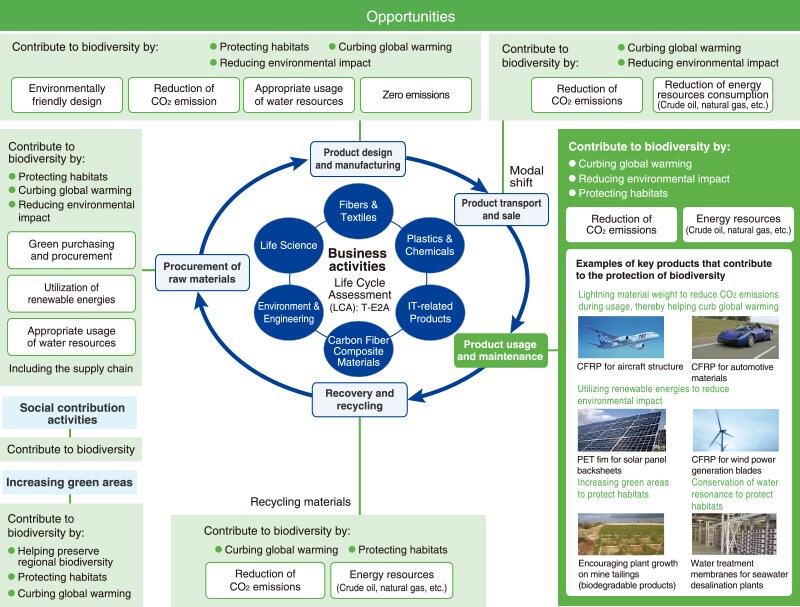
On the opportunity side, business activity effects on biodiversity include contribution to CO2 emissions reduction by offering products that reduce the weight of parts for aircraft and other equipment as well as protecting forests and habitats by offering products that maintain green areas and protect water resources.
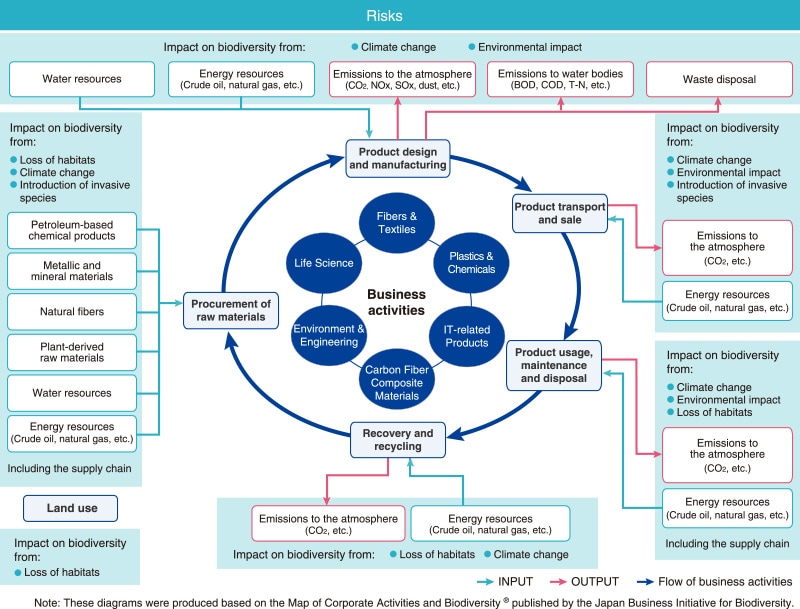
On the risk side, activity effects include the reduction of natural capital due to the use of water and energy resources, as well as impact on climate change and the environment resulting from emissions into the atmosphere and water bodies.
The two diagrams below show the biodiversity-related opportunities and risks across Toray Group's supply chain.
Toray Group Strategy
Established in 2018, the Toray Group Sustainability Vision outlines a range of goals to be achieved by 2050. As one of these goals, the Group declared its aim of achieving a world with a restored natural environment, with clean water and air for everyone—in other words, a nature positive world.
To this end, Toray Group is advancing six themes identified as being of overall high importance to the Group: reducing environmentally burdensome substance use, improving water-use efficiency, reducing GHG emissions, promoting a circular economy, reducing and optimizing the use of natural resources, and conserving nature and ecosystems.
In May 2020, the Long-Term Corporate Vision TORAY VISION 2030 was announced. Then in March 2023, the three-year Project AP-G 2025 was launched.
As part of this effort, the Group has been promoting its Green Innovation businesses, which help solve global environmental problems and resource/energy issues, along with its Life Innovation businesses, which promote better medical care, health maintenance and longevity, public health, and human safety, including disaster and extreme weather response measures. The Green Innovation businesses and Life Innovation businesses were combined and renamed as Sustainability Innovation businesses.
By expanding the products supplied by these businesses, Toray Group aims to provide essential solutions to solve global issues through nature-positive approaches.
Specific Initiatives
Green Initiatives as Part of Business Activities (Products and Technologies)
Through its business activities, Toray Group works to help preserve biodiversity and achieve a nature positive world. These activities include the use of water treatment technology to produce clean and reliable drinking water, water resource conservation through the reuse of wastewater, and air purification using textile materials for filters, as well as the recycling of plastic products, switching to bio-based raw materials, and transitioning to clean energy and hydrogen fuel.
Related Information
Production Activity Initiatives
Initiatives to reduce the impact of emissions during operations, etc.
Toray Group is working on the effective use and appropriate management of water resources through water recycling and reuse. While reducing volatile organic compounds (VOCs), sulfur oxides (SOx) and nitrogen oxides (NOx), the Group is preventing air and water pollution by reducing biological oxygen demand (BOD) and chemical oxygen demand (COD) through reliable operation and enhancement of wastewater treatment facilities. The Group is also committed to a variety of initiatives, including waste reduction through recycling and reuse, and self-audits and training to strengthen the environmental management system.
Related Information
Supply Chain Initiatives
As one of its biodiversity conservation initiatives, Toray Group conducts a regular survey of products to determine the usage of bio-based raw materials in product manufacturing. The Group has also developed rules for checking the biodiversity impacts of products and applies the rules to all products from the development stage.
Among them, palm oil is a key raw material for follow-up action. Since fiscal 2020, the Group has been surveying relevant suppliers to find out whether raw materials are made with palm oil that uses certified palm nuts. Toray also surveys suppliers about the possibility of switching from non-certified palm oil to certified palm oil. Going forward, Toray Group will continue to promote the procurement and use of sustainable palm oil that is both environmentally friendly and ensures respect for human rights.
In addition, the Toray Group CSR Procurement Guidelines include requirements for biodiversity conservation and for minimizing environmental impact. Suppliers are asked to comply with these guidelines.
The Group is also working to build a global system for the collection and reuse of the packaging materials that come with Toray products.
Related Information
Local Community Initiatives
Increasing Green Areas
Toray Group's Basic Policy for Increasing Green AreasEstablished June 20121
- Toray Group contributes to the preservation of the natural environment by promoting tree planting using planting methods suitable for the biodiversity of local habitats.
- Toray Group aims to surround its production plants with greenery by giving priority to tree planting in areas at the boundaries of factory sites.
- Toray Group sets goals for making each of its production plants greener while considering how to attain harmony with the surrounding environment as well as regulations concerning green space ratios in each respective country or region.
Plants at Toray Industries and its group companies in Japan are operating greenery policies and plans, guided by the Toray Group Basic Policy for Increasing Green Areas. The plans encompass initiatives to conserve green areas, including natural forests2 that have been protected since the plants began operating. Sustainable greenery conservation initiatives also help to conserve the environment for communities.
Under the guidance of the late Akira Miyawaki, professor emeritus at Yokohama National University and renowned plant ecologist, Toray Industries has been promoting an initiative to create forests on its manufacturing sites. This initiative involves collecting acorns from nearby shrines and forests to cultivate saplings for planting. The aim is to help grow forests that preserve the genetic characteristics of local ecosystems.
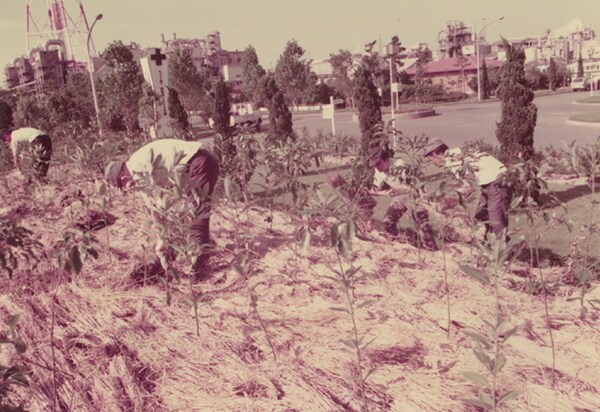
In 1973, this activity began at the Mishima Plant when approximately 4,000 employees collected acorns from Mishima Taisha Shrine and Mount Hakone. Over the past 50 years, these efforts have created an environmental conservation belt surrounding the plant. The native trees grown from these acorns, including Japanese bay tree, camphor, and bambooleaf oak, now cover an area of approximately 10,000 square meters. It is still working to conserve the environment by increasing green areas.
Altogether, Toray Industries has created green areas covering approximately 200,000 m² at 12 plants, including Mishima Plant and the Basic Research Center through the shrine forest method3.
- 1 Toray Group Basic Policy on Increasing Green Areas was established in 2012, evolving out of greenery policies that were first established in 1973.
- 2 Natural groves or forestation by species based on potential native vegetation
- 3 Modeled after traditional forestry techniques used by Japanese shrines, this greening method reproduces green spaces in a state close to natural forests by using trees that are native to the area. In order to create forests with local genes, Toray employees collected seeds from shrines and forests near plants, grew them into seedlings, and planted the seedlings to create forests at production sites.
Toray Industries, Inc. (Mishima Plant)

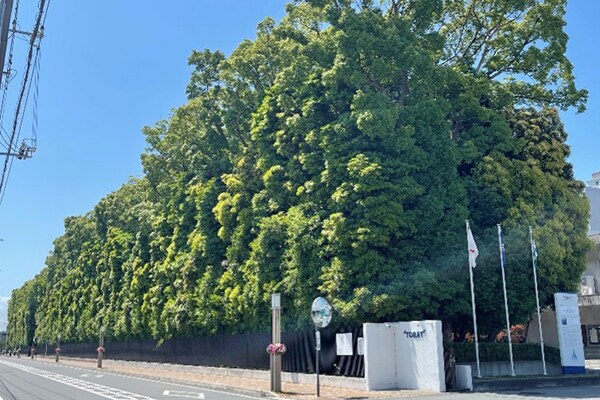
A greening initiative has taken root, and through decades of care, the trees are still flourishing (The photo on the left shows the trees just after planting in 1973)
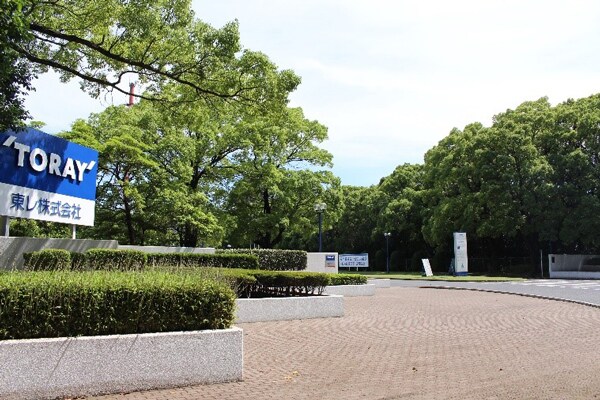
As a result of its efforts to conserve biodiversity and help develop the next generation of human resources, the Toray Industries Tokai Plant was certified in 2022 as Excellent Stage 2 in the OMA (Operation, Management and Active use) category of the Social and Environmental Green Evaluation System (SEGES)4, a green certification program provided by Japan's Organization for Landscape and Urban Green Infrastructure.
Moreover, Aichi Prefecture, where the Tokai Plant is located, adopted the Aichi Biodiversity Strategy 2030 in February 2021. This strategy aims to promote initiatives related to biodiversity conservation through collaboration among a variety of entities such as companies, universities, environmental organizations, and government agencies. Companies are expected to play a central role in local communities by contributing to biodiversity conservation through activities such as developing biotopes on company premises and having employees participate in conservation activities.
Therefore, in order to promote corporate initiatives related to biodiversity conservation, in 2022, Aichi Prefecture established the Aichi Biodiversity Company Certification Program to recognize companies that are implementing outstanding initiatives in this area. The Tokai Plant is collaborating with university students to conserve the rare southern Japanese rice fish that lives in the plant biotope, along with an herbaceous plant Fujibakama that helps provide a network of ecosystems for the chestnut tiger butterfly. As a result, Toray Industries has been recognized as an Aichi Biodiversity Certified Company.
In 2023, the Chita Peninsula Greenbelt, a collaborative initiative involving various stakeholders including Toray Group, was certified as a “nature symbiosis site” by Japan’s Ministry of the Environment. This kind of site is certified by the government as an area where biodiversity conservation is being promoted through private initiatives. The designation is part of Japan's 30by30 Roadmap initiative, based on the 2030 Nature Compact agreed upon at the G7 Summit in June 2021. The certification system was launched in fiscal 2023, and the Chita Peninsula Greenbelt was recognized as one of its first certified sites.
- 4 The Social and Environmental Green Evaluation System (SEGES): This system evaluates and certifies outstanding corporate green space initiatives that contribute to society and the environment. These initiatives include daily activities and efforts to help alleviate global warming and the heat island phenomenon, as well as conservation of local ecosystems, preservation and creation of good landscapes, building relationships with local communities, and safe and secure urban development. After being evaluated by a third-party review committee, successful candidates are certified by the Organization for Landscape and Urban Green Infrastructure. SEGES consists of three categories. In the SEGES OMA (Operation, Management and Active use) category, companies are evaluated and certified for outstanding activities to create or conserve their own green spaces. In the SEGES PDC (Planning, Designing and Construction) category, companies are evaluated and certified for outstanding green space environmental planning relating to property development and construction. In the SEGES ESW (Environmental Friendliness, Safety and Well-Being) category, companies are evaluated and certified for their efforts to provide comfortable and safe urban green spaces. As of April 2025, 157 corporate green spaces have been certified.
 A chestnut tiger butterfly in a plant biotope
 Fujibakama (Eupatorium japonicum) being cultivated at the Tokai Plant
 SEGES Excellent Stage 2 certification
 Aichi Biodiversity Certified Company logo
The Toray Industries Shiga Plant is actively engaged in community-based green space management, including maintenance of the Sonoyama Park green space located on its grounds. This park is open to the public as a place of relaxation for local residents and also serves to strengthen ties with the community.
In addition, while working to reduce the environmental burden associated with production activities, the plant promotes the manufacture, research, and development of products that contribute to environmental conservation, such as fuel cell components and technologies for water treatment and water electrolysis systems.
These initiatives were recognized in fiscal 2024, when the plant achieved the highest rating (three stars) under the Shiga Biodiversity Initiative Certification5.
- 5 Shiga Biodiversity Initiative Certification: Established by Shiga Prefecture in fiscal 2018, this program certifies companies engaged in biodiversity conservation and the sustainable use of natural resources. The program aims to make such corporate initiatives visible, enhance the brand value of certified companies, and promote awareness of the importance of biodiversity-conscious practices in social and economic activities. Depending on the scope of initiatives, companies are given a rating of up to three stars. As of March 2025, a total of 70 organizations have been certified.
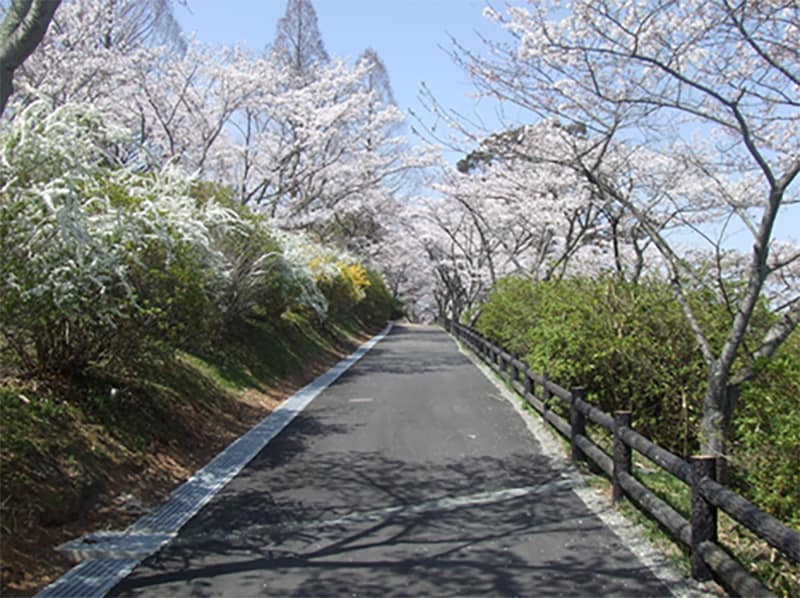 Sonoyama Park green space
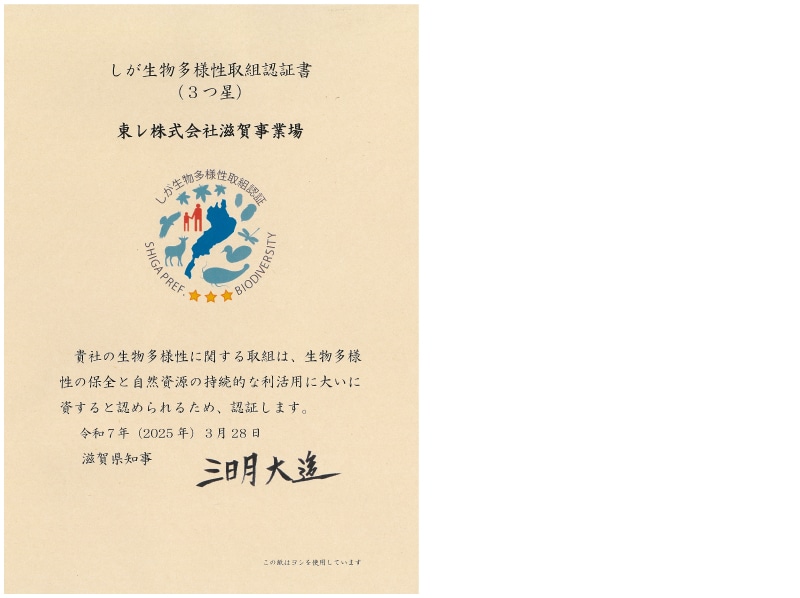 Shiga Biodiversity Initiative Certificate (3-star rating)
Social Contribution Activities
Toray Group carries out biodiversity conservation through social contribution activities as a good corporate citizen. The Group is promoting various initiatives, including the creation of a group plant waterside biotope with the help of local students. In collaboration with municipalities and NPOs, Toray employees are also engaged in volunteer cleanup activities along rivers and beaches, as well as tree planting.
Related Information
Initiatives for Internal Education on Biodiversity and Environmental Management
Promotion of Internal Education on Biodiversity
Toray Group is promoting internal education to deepen employee understanding of biodiversity and natural capital. In February 2025, the Group held a CSR webinar featuring an outside expert as the speaker, with 135 employees participating.
The webinar presented the nature positive concept, international environmental trends, and details of the Toray Group TNFD Report, thereby fostering greater understanding of the importance of natural capital and its relevance to business activities.
Through ongoing educational opportunities, the Group is building a framework that enables each employee to incorporate consideration for natural capital into daily decisions.
Education and Audit Activities to Strengthen Environmental Management
Toray Group is working to strengthen its environmental management framework through the appropriate control of environmentally burdensome substances.
To enhance environmental management at each production site, regular internal audits are conducted by executive officers of Toray Industries and the Environment & Safety Department. In addition, regular meetings to exchange information are held for wastewater managers from Toray Industries and group companies in Japan.
Finally, group companies worldwide invite external wastewater management experts to provide guidance at special meetings.
Disclosure Based on TNFD Recommendations
In January 2024, Toray Industries expressed its support for the recommendations of the Taskforce on Nature-related Financial Disclosures (TNFD), released in September 2023, and the Company was recognized as a TNFD early adopter.
It has also joined the TNFD Forum, an organization supporting TNFD discussions.
Toray Group compiled the results of its research and analysis based on the LEAP approach, along with the initiatives of the Toray Group, and published the Toray Group TNFD Report Ver.1 in December 2024.

Responding to Deforestation
Toray Group recognizes that deforestation is a critical issue that has significant impacts on the global environment and human lives, contributing to wildlife extinction, accelerating climate change, and spreading infectious diseases.
Based on this recognition, the Toray Group Biodiversity Basic Policy stipulates that the Group will strive to conserve biodiversity and ensure its sustainability. In this context, preventing deforestation is considered an important element of biodiversity conservation.
Furthermore, to help address this issue, Toray Group follows the first of its Ten Basic Environmental Rules, namely, “prioritize environmental preservation.” In following this rule, the Group complies with all relevant laws, regulations, and agreements throughout its business activities. As a result, the Group is compelled to prioritize environmental preservation, while taking biodiversity into account for every stage of its product lifecycles, including manufacture, handling, use, sales, transport, and disposal.
In addition, the Toray Group Policy for Human Rights and the Toray Group CSR Procurement Policies emphasize respect for human rights, explicitly stating that the Group will not engage in or be complicit in human rights violations such as forced labor or child labor. In accordance with these policies, the Group conducts its business activities with the utmost consideration for forest conservation and the protection of related human rights.
Examples of Toray Group Activities
- For its “Message to Shareholders (6.32MB)PDF(in Japanese only)” and internal newsletter publication, the Group uses Forest Stewardship Council (FSC) certified paper made from wood harvested from responsibly managed forests.
- The Group promotes green procurement, actively purchasing and using recycled paper.
- The Group reduces its usage of paper resources such as those used to make paper cups and copy paper.
- Each group plant and company makes efforts to preserve nearby green spaces.
- Employee tree planting activities are conducted as part of social contribution initiatives in collaboration with local residents and local governments.
Click here for the main initiatives for CSR Guideline 3, "Safety, Accident Prevention, and Environmental Preservation" in CSR Roadmap 2025.